


THC oil, often referred to as cannabis oil, is a concentrated form of tetrahydrocannabinol (THC), the primary psychoactive compound found in the cannabis plant. This oil is known for its potent effects and versatility in consumption methods. Here’s a detailed overview:
Composition
THC oil primarily consists of:
- THC (Tetrahydrocannabinol): The main psychoactive component responsible for the “high” associated with cannabis.
- Other Cannabinoids: While THC is the dominant compound, the oil may also contain other cannabinoids like CBD (cannabidiol), CBN (cannabinol), and others, depending on the extraction method and strain used.
- Terpenes: These are aromatic compounds that contribute to the flavor and aroma of the oil and may also have therapeutic effects.
Extraction Methods
THC oil can be extracted using various methods, each affecting the quality and composition of the final product:
- CO2 Extraction: A popular method that uses carbon dioxide under high pressure and low temperatures to preserve cannabinoids and terpenes.
- Ethanol Extraction: Utilizes ethanol as a solvent to extract THC and other cannabinoids.
- Hydrocarbon Extraction: Uses solvents like butane or propane; this method can produce a highly potent oil but may carry more risk if not properly purged of solvents.
- Olive Oil Extraction: A simpler, safer method but results in less concentrated oil.
Uses
THC oil can be used in multiple ways, including:
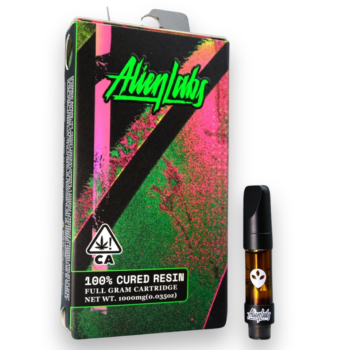
- Vaping: Using a vaporizer or vape pen, the oil is heated to release vapor for inhalation.
- Edibles: Incorporating the oil into food and beverages.
- Tinctures: Placing drops of the oil under the tongue for sublingual absorption.
- Topicals: Infusing the oil into creams or balms for localized relief on the skin.
- Dabbing: Using a dab rig to vaporize a small amount of highly concentrated oil.
Benefits
is used for both recreational and medicinal purposes:
- Recreational: Provides a potent high that can enhance sensory perception and induce euphoria.
- Medicinal: May help with pain relief, nausea, appetite stimulation, anxiety, and other conditions. However, the therapeutic benefits and potential side effects should be considered.
Potential Side Effects THC Oil
While it can offer various benefits, it also has potential side effects, particularly with high doses or frequent use:
- Psychoactive Effects: Anxiety, paranoia, and impaired memory or coordination.
- Physical Effects: Dry mouth, red eyes, dizziness, and increased heart rate.
- Long-term Use: Potential for developing a tolerance or dependence.
Legal Status THC Oil
The legality of THC oil varies by location:
- United States: Legal in some states for medical or recreational use; federally, it remains classified as a Schedule I controlled substance.
- International: Laws vary widely, with some countries allowing medicinal use, others permitting recreational use, and many still enforcing strict prohibitions.
Safety and Quality Considerations THC Oil
When purchasing or using THC oil, it’s important to consider:
- Source: Ensure the oil is sourced from reputable producers who follow good manufacturing practices.
- Testing: Look for products that have been lab-tested for potency, purity, and the absence of contaminants like pesticides, heavy metals, and residual solvents.
- Dosage: Start with a low dose to gauge tolerance and avoid potential side effects.
is a versatile cannabis product that offers a range of uses and benefits but should be used responsibly and in accordance with local laws and regulations.




Daniel (verified owner) –
Great job
Romeo –
Fast delivery
Herbert –
Great quality products
Chocho –
Couldn’t ask for a better service
Rodrick –
Love the fast shipping, will order again